
Septic System Installation in Southwest Colorado
Septic system installation is how rural and semi-rural properties handle wastewater where there's no municipal sewer line. More than one in five U.S. households rely on a septic system, per the EPA, and that share is higher in Southwest Colorado because municipal sewer reaches only part of La Plata County.
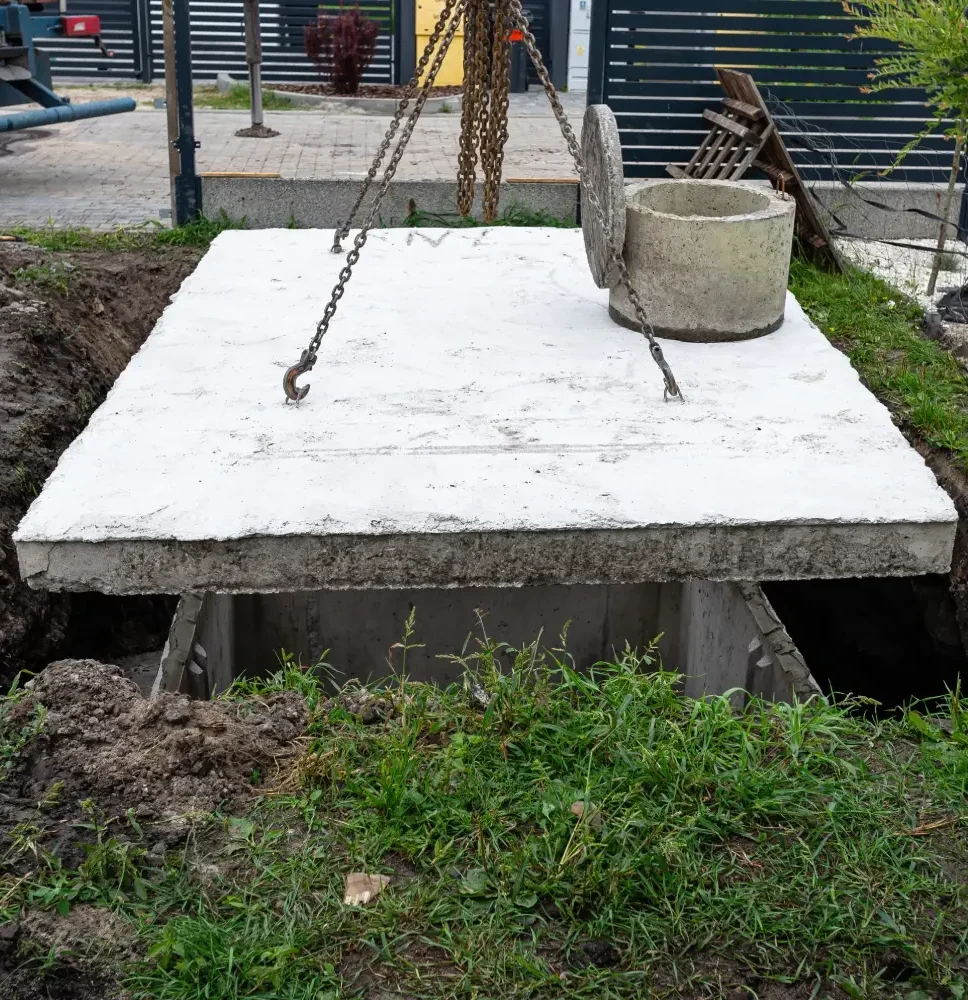
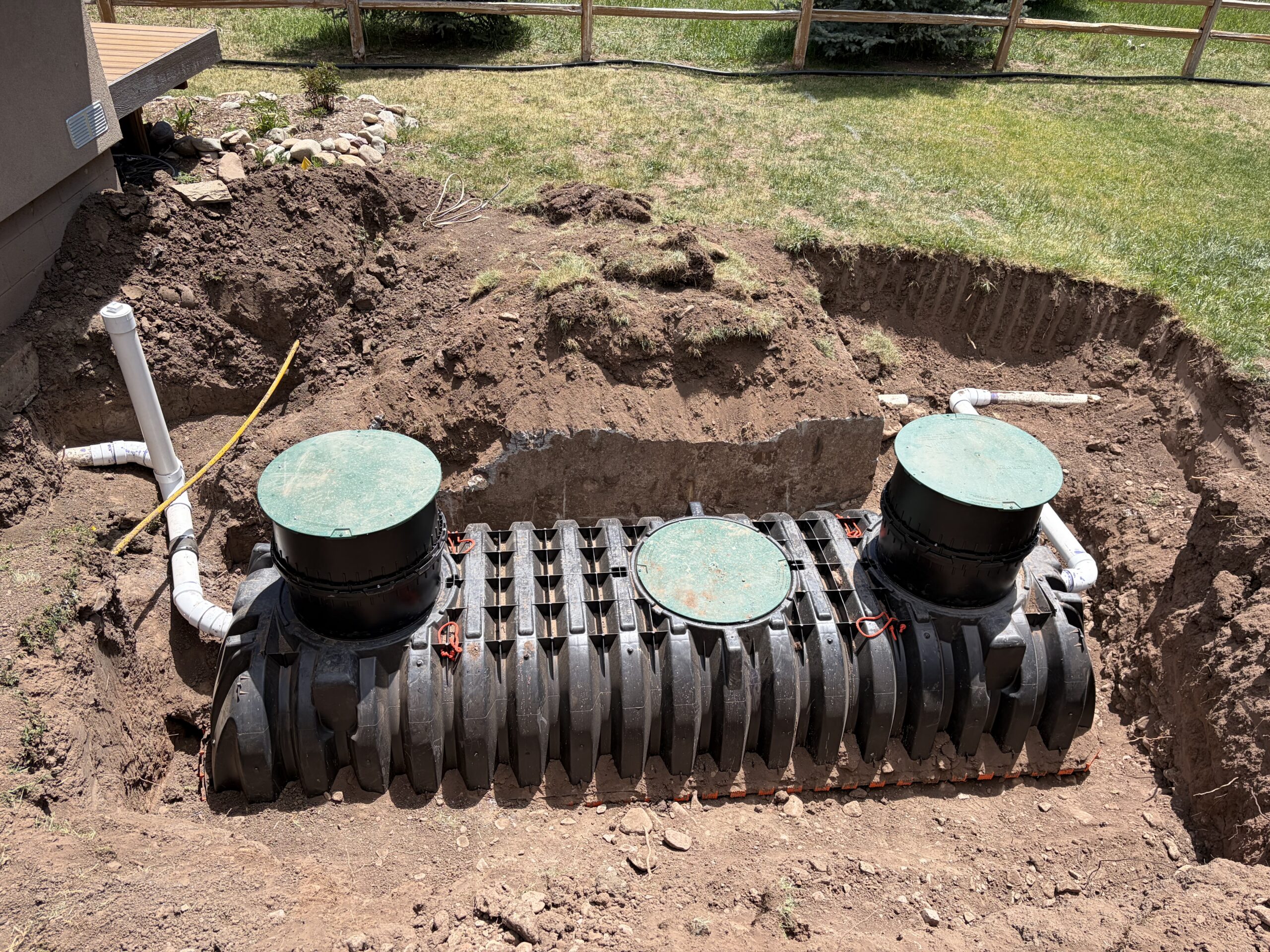
We provide full-service onsite wastewater treatment system (OWTS) installation for new home construction, system replacements, and commercial sites across the Four Corners region. An OWTS is a private, property-based system that collects, treats, and disperses wastewater on your own land. It usually includes a buried septic tank and a drainfield, the underground area where treated water disperses into the soil.
Colorado Regulation 43 (5 CCR 1002-43) governs how every OWTS in the state is designed, installed, and inspected.


5.0 Star on Google

7+ Years Serving the Four Corners

Certified OWTS Installer
Site Preparation

Excavation
Underground Utilities
Septic Systems
Sewer Line Repair
Demolition
Retaining Walls
Road Construction
Land Clearing
Grading
Why septic installation is different in Southwest Colorado
Rocky substrate sits close to the surface across much of La Plata County, and shallow bedrock can stop a trench before it reaches the depth an approved design requires. Steep slopes change which system type a site can support, and high water tables in some valleys leave only inches of margin between a working drainfield and a failed one.
Choose the wrong system for these conditions and the install won't match the engineered design. That can mean a failed inspection, required changes, or a permit denial from the La Plata County Public Health Department. Re-work on rocky ground costs far more than getting it right the first time.
We work in these conditions on every project, and that knowledge shapes how we approach each site

Septic system types we install
The right system depends on your soil, slope, lot size, and daily flow. No single type fits every property here, so we recommend the system your site actually needs.
- Conventional gravity system: Moves effluent from the tank to the drainfield by gravity. It works on sites with good soil absorption, enough depth to groundwater, and manageable slope. Some La Plata County parcels qualify, many don't.
- Chamber system: Uses plastic arch units in place of a gravel drainfield, which helps on sites where aggregate is limited or costly to source.
- Mound system: Raises the drainfield above ground using imported fill. It's the right call where bedrock is shallow, water tables are high, or soil absorption is poor and a conventional trench can't reach adequate separation.
- Aerobic treatment unit (ATU): Adds active aeration to treat effluent to a higher standard before it reaches the drainfield. Useful on difficult sites where conventional treatment isn't enough.
- Drip dispersal system: Delivers effluent through small-diameter tubing at low pressure across a wider area. It suits steep slopes or sites with limited drainfield space and minimizes soil disturbance.
Colorado Regulation 43 and La Plata County permitting
Colorado Regulation 43, cited as 5 CCR 1002-43, is the statewide standard for how every OWTS is designed, installed, and inspected. CDPHE adopted the current version in March 2025, effective June 15, 2025, and gave counties one year to update their local programs.
La Plata County’s local OWTS regulations took effect March 2, 2026, adopting the new Regulation 43 by reference. The permitting authority for La Plata County is the La Plata County Public Health Department, Environmental Health division.
A non-compliant install doesn’t just fail inspection. It can require a full system replacement, create liability for health and environmental impacts, and complicate selling or refinancing the property. We work within this framework on every project.
Our full-service OWTS installation process
We manage the complete OWTS project from initial site coordination through final inspection support. Instead of handing off between contractors, we’re your single point of contact for scheduling, permitting, excavation, and installation. That means fewer scheduling gaps and clearer accountability while you manage your build timeline.
The soil analysis and engineered design are performed by a licensed septic engineer, not by us.
We coordinate that work, build from the approved design, and handle everything from site prep through closeout.
Step by step: from site evaluation to final inspection
01
Site evaluation
We assess topography, lot size, slope, and access to identify constraints before testing begins.
02
Soil analysis coordination
We coordinate the soil analysis with a licensed septic engineer. The results determine which system type your site can support.
03
Design review
A licensed septic engineer produces the system design from the soil analysis, site conditions, and daily flow. We review it against the actual site.
04
Permit application
We prepare and submit the OWTS permit application to the county public health department for your jurisdiction.
05
Site prep and excavation
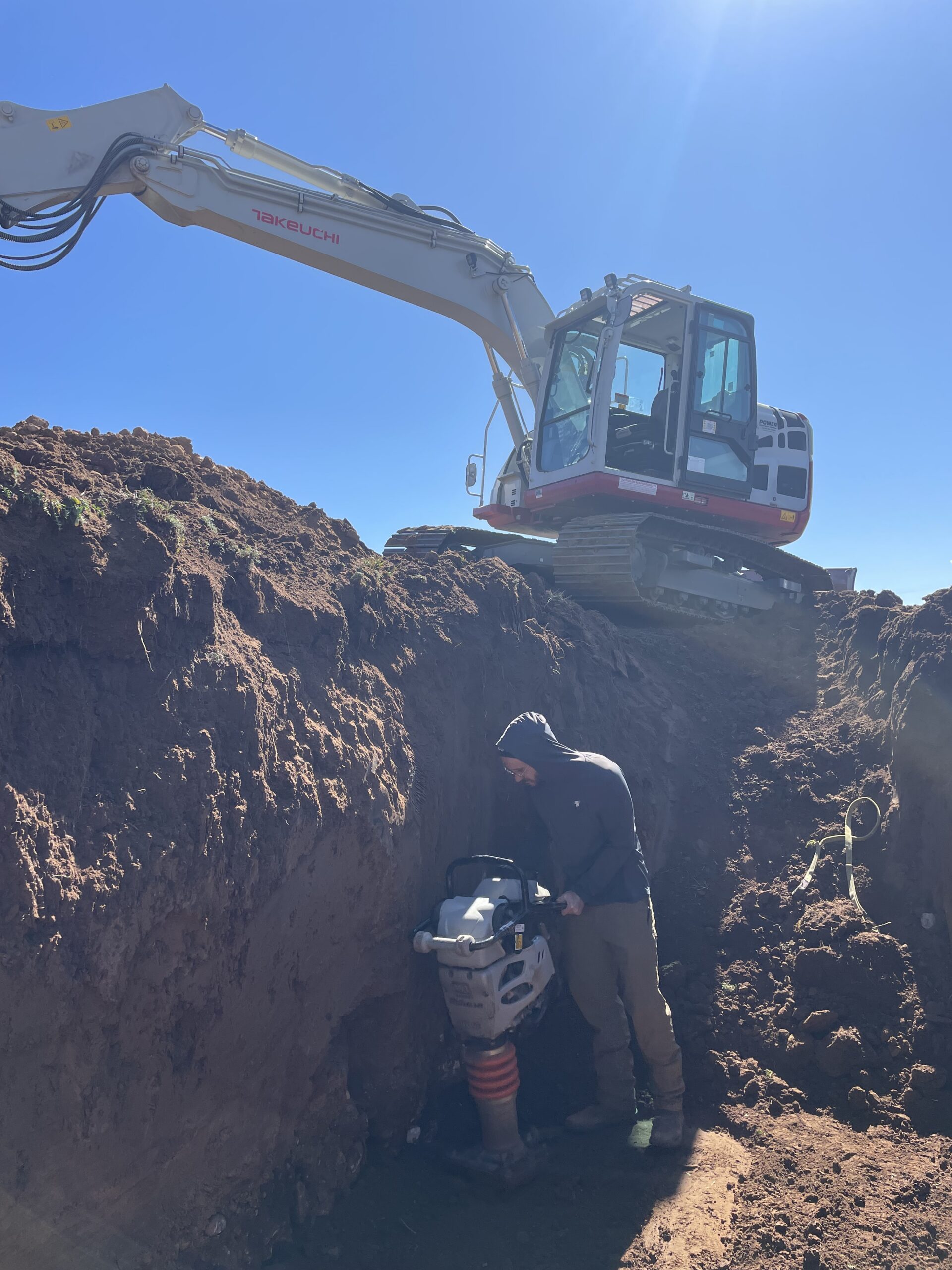
After permit approval, we prepare and excavate the site with equipment matched to your terrain. Our site preparation and grading work handles rocky sites and steep slopes alike.
06
System installation
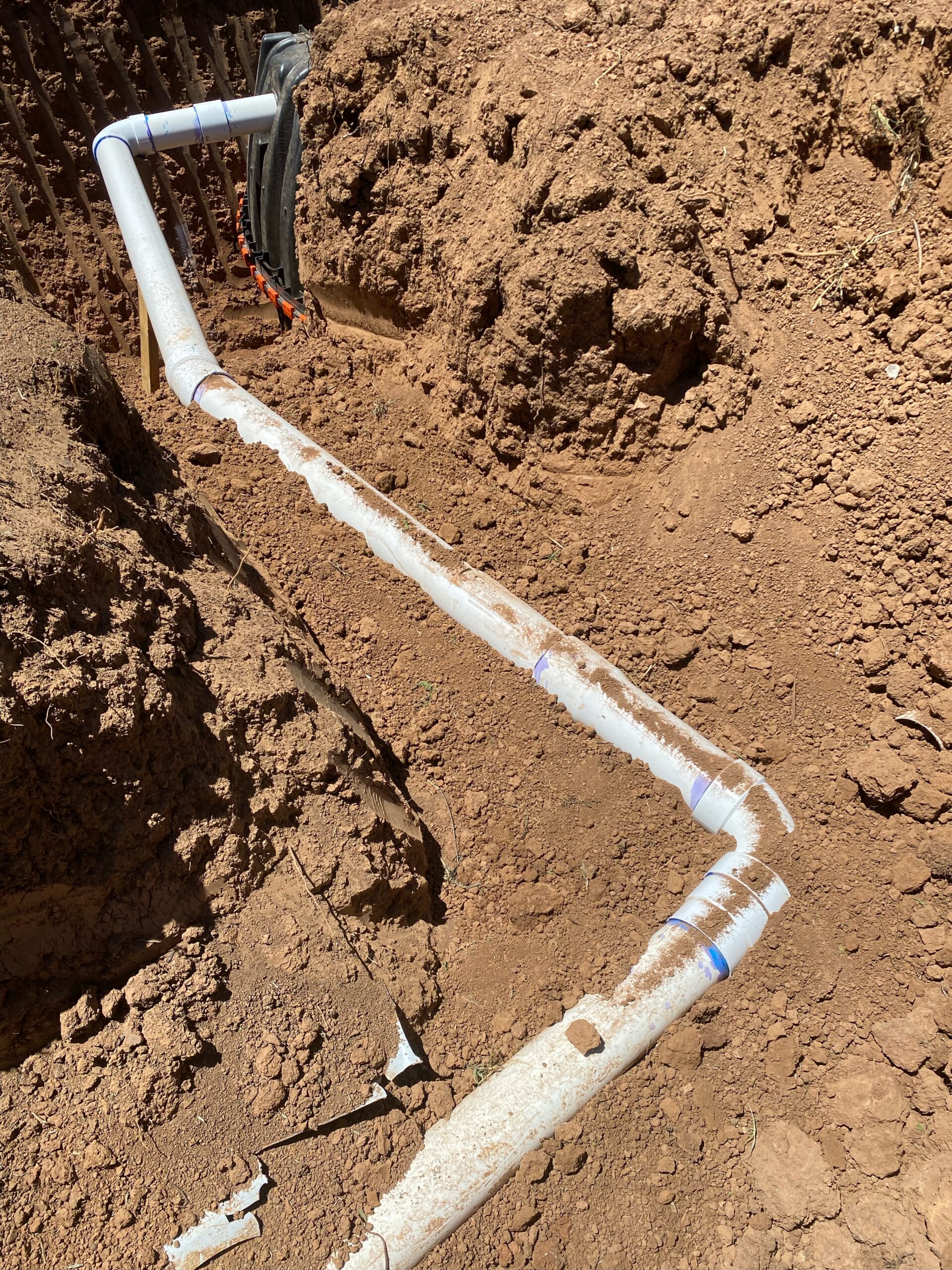
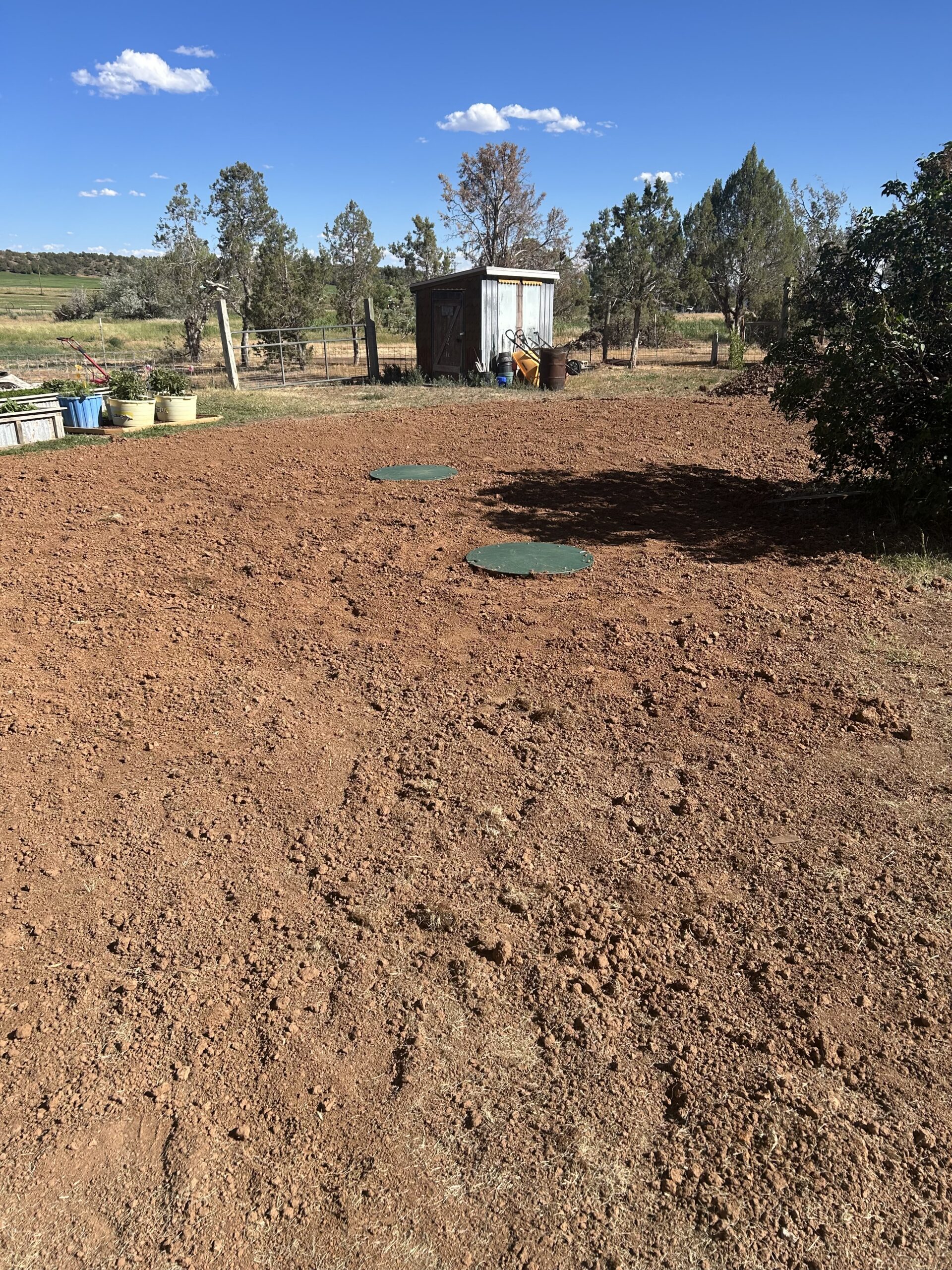
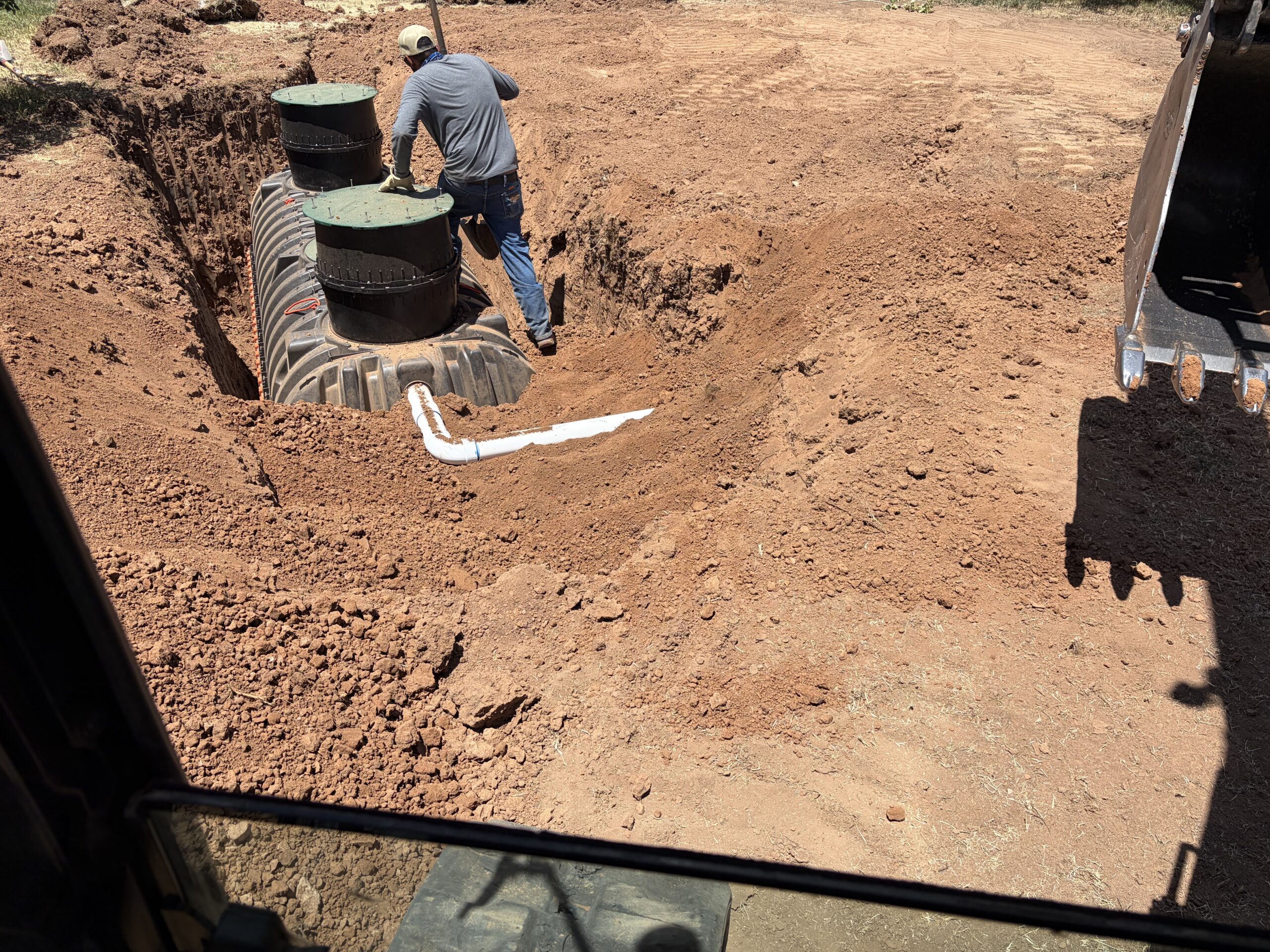
We install the septic tank, the effluent lines (effluent is the liquid that flows out of the tank), and the drainfield per the approved design and Regulation 43.
07
Final inspection support
We coordinate the required inspection stages and support closeout so your system is properly permitted and on record.

What permits do you need for a new septic system?
In La Plata County, an OWTS permit from the Public Health Department is required before we break ground, and it's based on an approved system design. Environmental Health then inspects at set stages during construction, not just at the end.
Missing a stage can delay the job and mean uncovering work that's already done, so we schedule each inspection as part of the build.
200 +
Projects Completed Why property owners in Durango trust Animas Excavating
We're a certified OWTS installer, with owner Mike Zarlingo listed on the La Plata County Public Health roster. OWTS installers are licensed Systems Contractors through the local public health agency under Regulation 43, so the credential is verifiable at the source.
We've operated in Southwest Colorado since 2018 and know the county inspection stages and the local permitting process by practice, not just by name.
Our experienced team has worked across the terrain this region produces, from sloped rural parcels to tight commercial lots, and our excavation and site preparation services support every phase of the project.
You can also see our completed projects.
What does a new septic system cost?
We won't quote a national average. Cost for a new OWTS in Southwest Colorado depends on factors that vary from one property to the next:
- Soil conditions and analysis results
- Site slope and equipment access
- The system type your site requires
- Depth to bedrock or groundwater
- County permitting fees
- Whether site prep needs rock breaking or specialized equipment
A conventional system on a flat lot with good soil costs less than a mound system on a rocky slope, and both are common in La Plata County.
A properly installed and maintained OWTS can last 25 to 30 years, which makes a quality install a long-term investment rather than a one-time expense.
That's general guidance on lifespan, not a guarantee. Routine septic system repair and maintenance protects it over time.
Request a free site evaluation for an estimate based on your actual property.


Frequently asked questions about septic system installation
What is an onsite wastewater treatment system (OWTS)?
An OWTS is the technical name for a septic system. It treats and disperses wastewater on the same property where it’s generated, with no municipal sewer connection, usually through a septic tank and a drainfield. Colorado regulates every OWTS under Regulation 43.
Do I need a permit for a septic system in La Plata County?
Yes. A new OWTS in La Plata County needs a permit from the La Plata County Public Health Department before construction begins, based on an approved system design. We handle the permit and the required inspections as part of the project.
How long does a septic system last?
A properly installed and maintained system can last 25 to 30 years. Regular pumping, avoiding overloading the system, and keeping the drainfield clear of roots and heavy equipment all extend its life.
What's the difference between a conventional septic system and an advanced treatment system?
A conventional system moves effluent to the drainfield by gravity and relies on the soil for final treatment. An advanced system, like an aerobic treatment unit or drip dispersal system, adds an active treatment step before effluent reaches the drainfield. In Southwest Colorado, rocky soil, shallow bedrock, and steep slopes often make an advanced system necessary rather than optional.
Residential and commercial OWTS installation
For residential projects, we install new septic systems for rural home construction, replacement systems where an existing system has failed or reached the end of its service life, and systems for new builds across the Four Corners region. A residential wastewater treatment system sized and sited correctly from the start avoids the repair costs and permit problems that come with an undersized or poorly placed system.
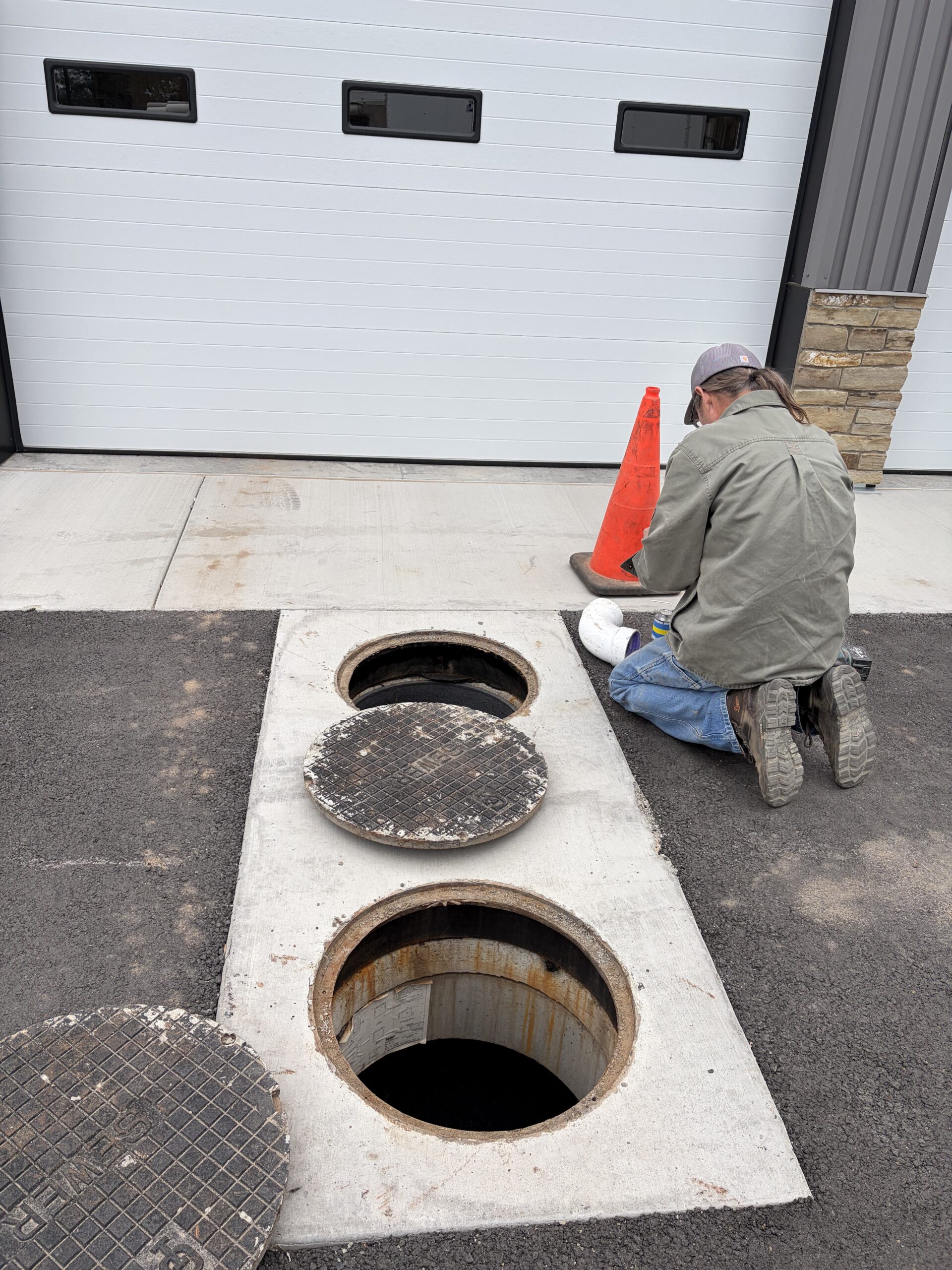
For commercial projects, we work with small businesses, lodges, and agricultural properties in Southwest Colorado. Standard systems handle flows of 2,000 gallons per day or less. Larger commercial wastewater treatment systems require design review and approval from the CDPHE Water Quality Control Division, which means more coordination with engineers and permitting agencies, and we build that into the timeline early.

Request a Free Estimate
Tell us about your project and we'll get back to you within two hours.
Let’s Work
Schedule your OWTS site evaluation in Southwest Colorado
We bring local terrain knowledge, a single-contractor process, and a certified OWTS installer to every install, and we work within Regulation 43 and the La Plata County permitting process on every project.
Request a free site evaluation or get a project estimate. Tell us about your property and we'll tell you what it needs.
Address:
2942 E 4th Ave, Durango, CO 81301
Phone Number:
(970) 403-2787
Email Address:
mike@animasexcavating.com